The types of addiction treatment centres differ in how much time the person spends there and how much containment they offer. Some are attended for appointments, others during the day, and others involve living there for a while. Knowing the differences helps you understand what the professional team recommends and why recovery usually combines several services.
Types of addiction treatment centres
Outpatient service
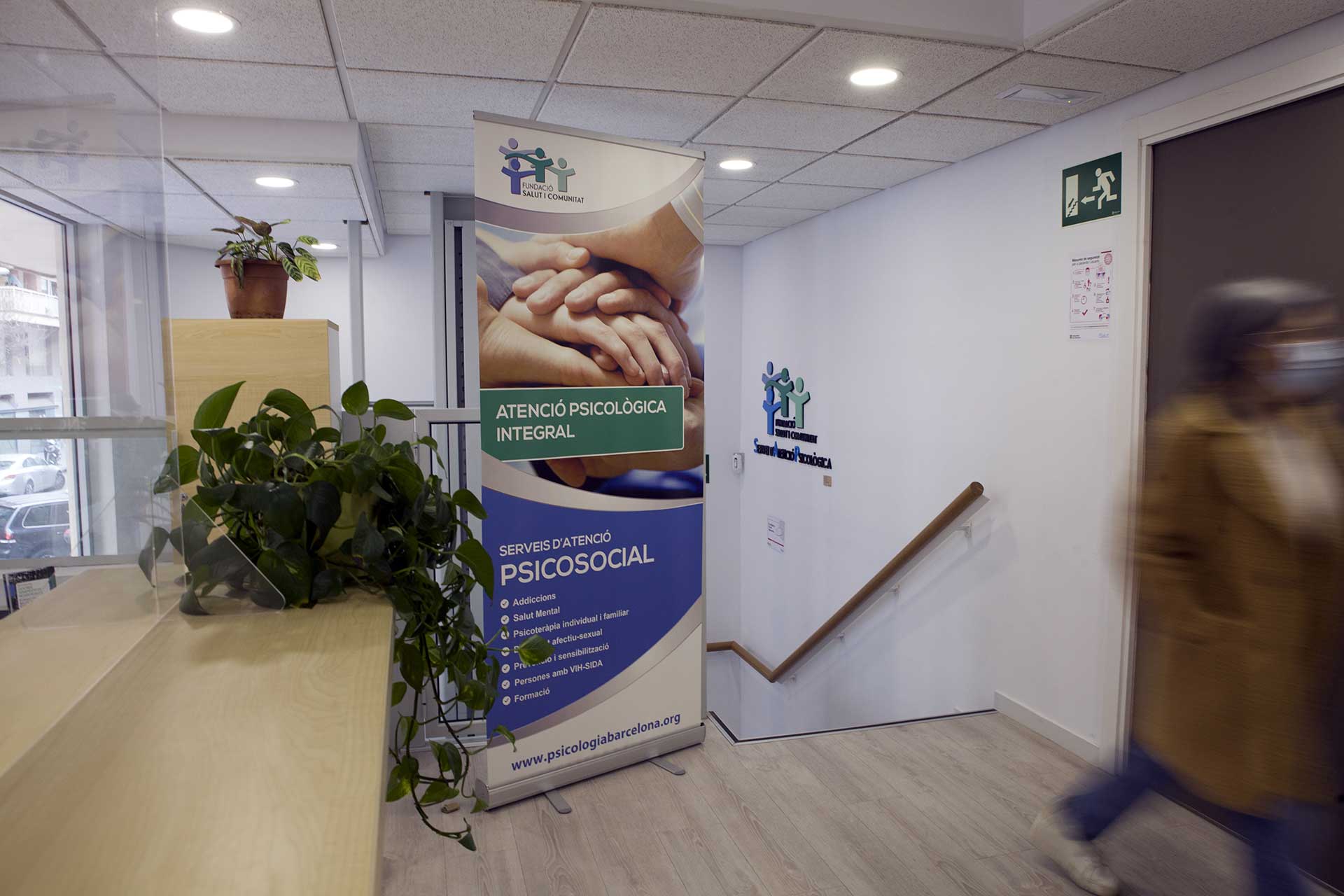
The person continues living at home and attends psychology, medical or psychiatric appointments. It is usually the entry point to treatment and also where follow-up takes place after a residential stay ends. At FSC this is the Outpatient Service.
Detox centre
In everyday language, this is the name given to the service where substance use is stopped with medical management of withdrawal. Depending on the substance and the person’s health, it can be done as an inpatient or on an outpatient basis. It is an initial phase: afterwards, rehabilitation and follow-up are needed. We explain this on the detoxification page.
Day centre
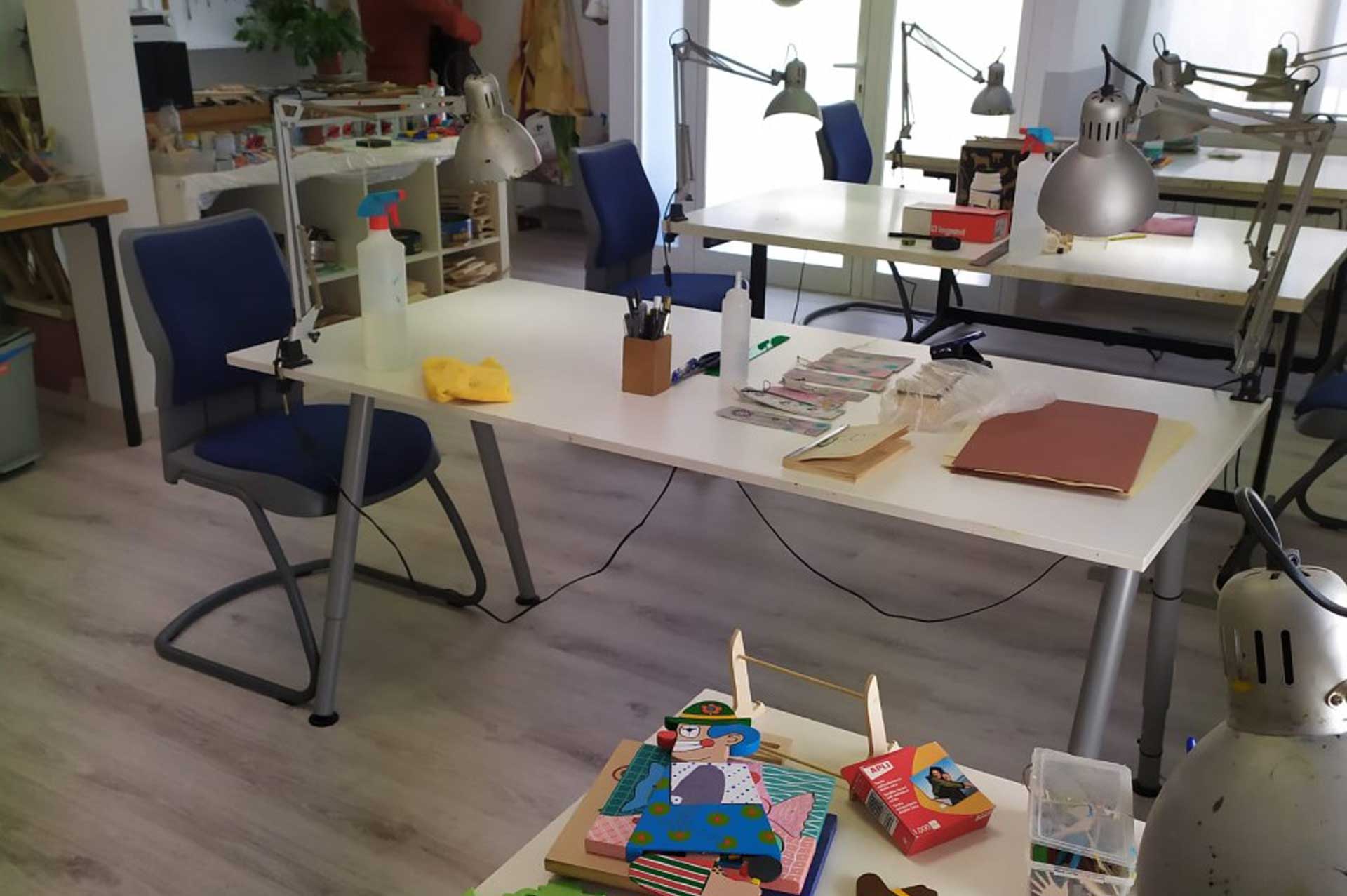
The person spends a good part of the day at the centre, taking part in therapeutic, educational and occupational activities, and sleeps at home. It provides structure and routine without separating them from their surroundings. At FSC this is the Crisàlide Day Centre.
Therapeutic community
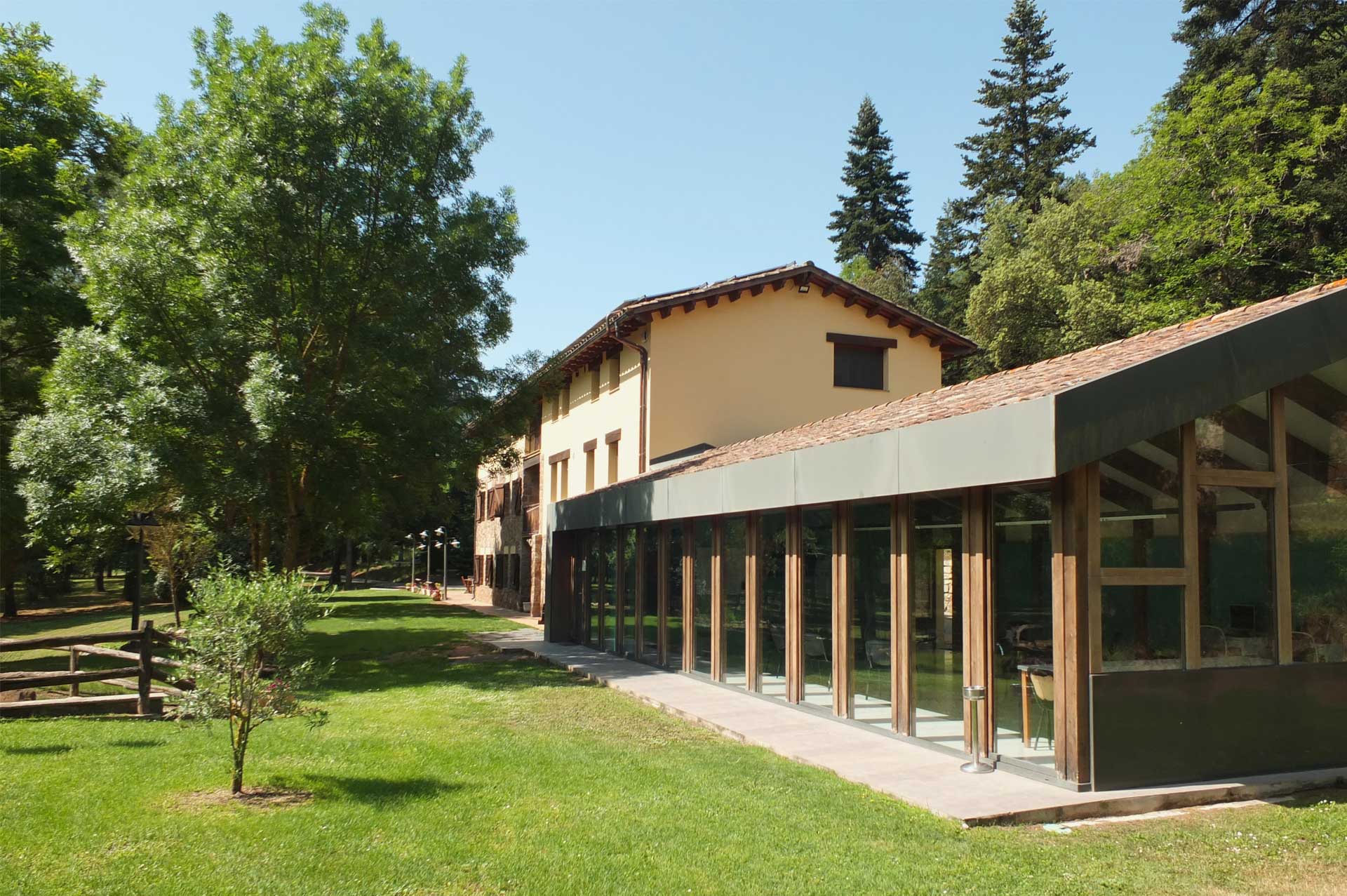
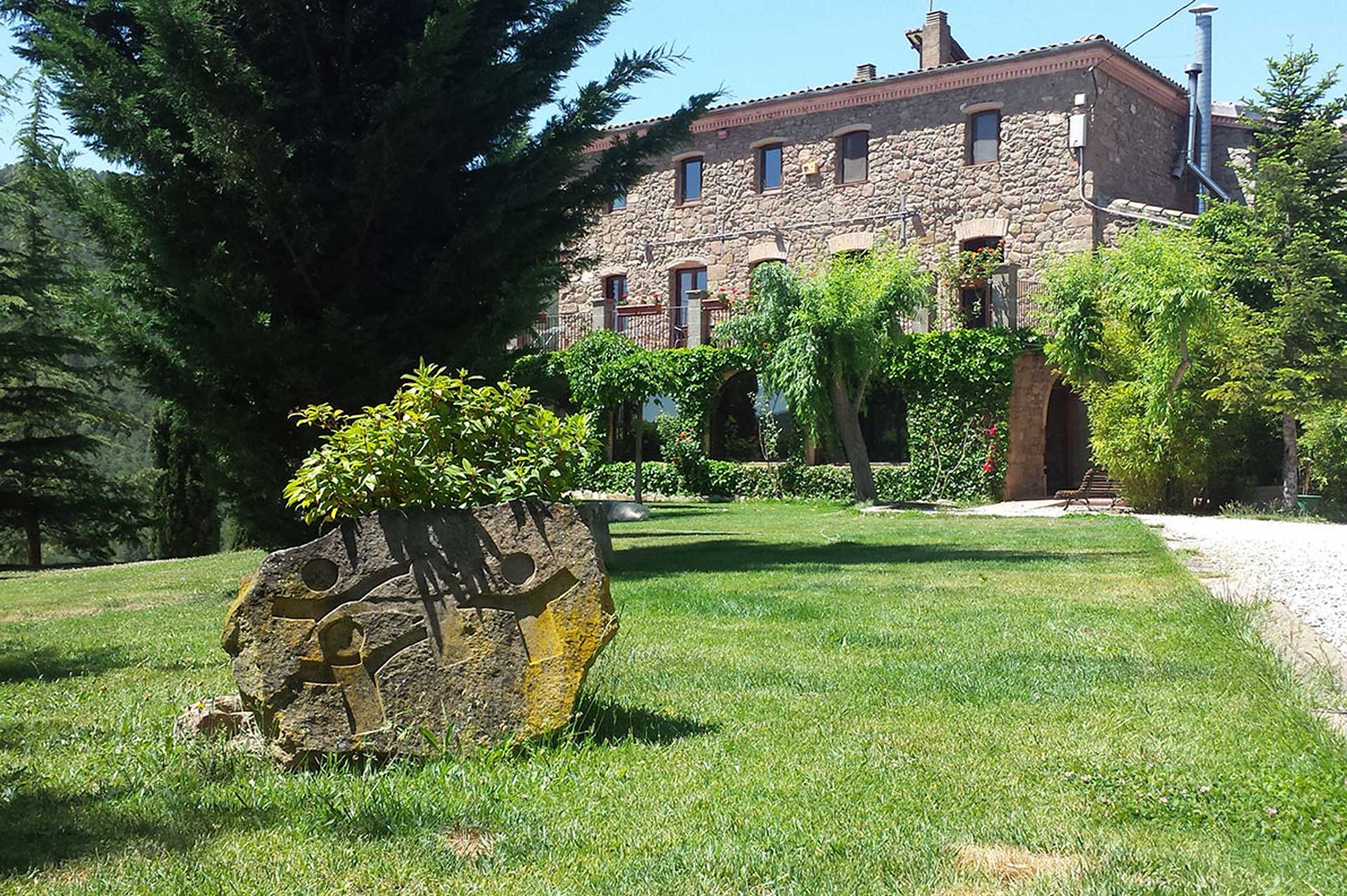
This is a residential centre: the person lives for a time with others who are in treatment, away from triggers to use and with a professional team on hand. There are shorter, intensive stays and medium-length ones. At FSC these are the Riera Major Intensive Therapeutic Centre and the Can Coll Medium-Stay Therapeutic Centre.
Therapeutic flat
This is a shared home supervised by professionals, designed as a transition between treatment and independent living. It is usually recommended when the person has already made progress in their recovery and needs to practise independence with support. At FSC these are the Urban Therapeutic Flats.
Support for independent living
This is not a centre, but a support service for people who are already abstinent and are facing everyday challenges: paperwork, housing, leisure or job hunting. At FSC it is provided by the SAVA.
The difference between a day centre, a therapeutic community and a therapeutic flat
- Where the person sleeps: at home if they attend a day centre; at the centre for the duration of the stay if they are in a therapeutic community; in a shared home if they live in a therapeutic flat.
- Level of containment: the therapeutic community is the most protected setting; the day centre provides structure during the day; the flat combines living together and supervision with more freedom.
- Stage of the process: the day centre and the therapeutic community are used in the active phases of treatment; the therapeutic flat usually comes later, as a step towards independence.
How to know which centre you need
The choice depends on the substance, the risk of withdrawal, previous attempts, physical and mental health and the support the person has. The pathway is not always linear: you might start in an outpatient service, go through a residential stay and then return to lighter follow-up. Our page on how addiction is treated gives you an overview of the process.
If there is dependence on alcohol or benzodiazepines, use should not be stopped abruptly without medical supervision, whichever service is chosen.
When to ask for help
You do not need to know which type of centre is right for you to take the first step. That is exactly what a professional assessment is for. In Barcelona you can request the free first appointment, call +34 93 424 04 00 or write to us from the contact page. In a medical emergency, call 112, the European emergency number.
Frequently asked questions
What is the difference between detoxification and rehabilitation?
Detoxification is the phase in which substance use is stopped and withdrawal symptoms are managed. Rehabilitation comes afterwards and works on the habits, emotions and situations that led to using.
Is a day centre the same as a residential stay?
No. At a day centre, the person spends the day at the centre and goes home to sleep. In a therapeutic community, they live at the centre for the duration of their stay.
Who can go to a therapeutic flat?
It is usually a service for people who have already made progress in their treatment and need a supervised transition to independent living. Each service has its own admission criteria.
How do I know which type of centre I need?
The most reliable way is a professional assessment that takes into account the person’s substance use, health and environment. In Barcelona you can request one through the free first appointment.