The types of addiction treatment differ mainly in their intensity and in the degree of containment they offer: from weekly outpatient appointments to admission to a therapeutic centre. No programme is better than another in the abstract. The right one is the one that fits the person’s situation at that moment, and it usually changes as recovery progresses.
Types of addiction treatment
- Detoxification: the initial phase to stop substance use with medical management of withdrawal symptoms. It is the first step, not the complete treatment.
- Outpatient treatment: the person continues living at home and attends psychology and medical appointments, more or less often depending on what they need.
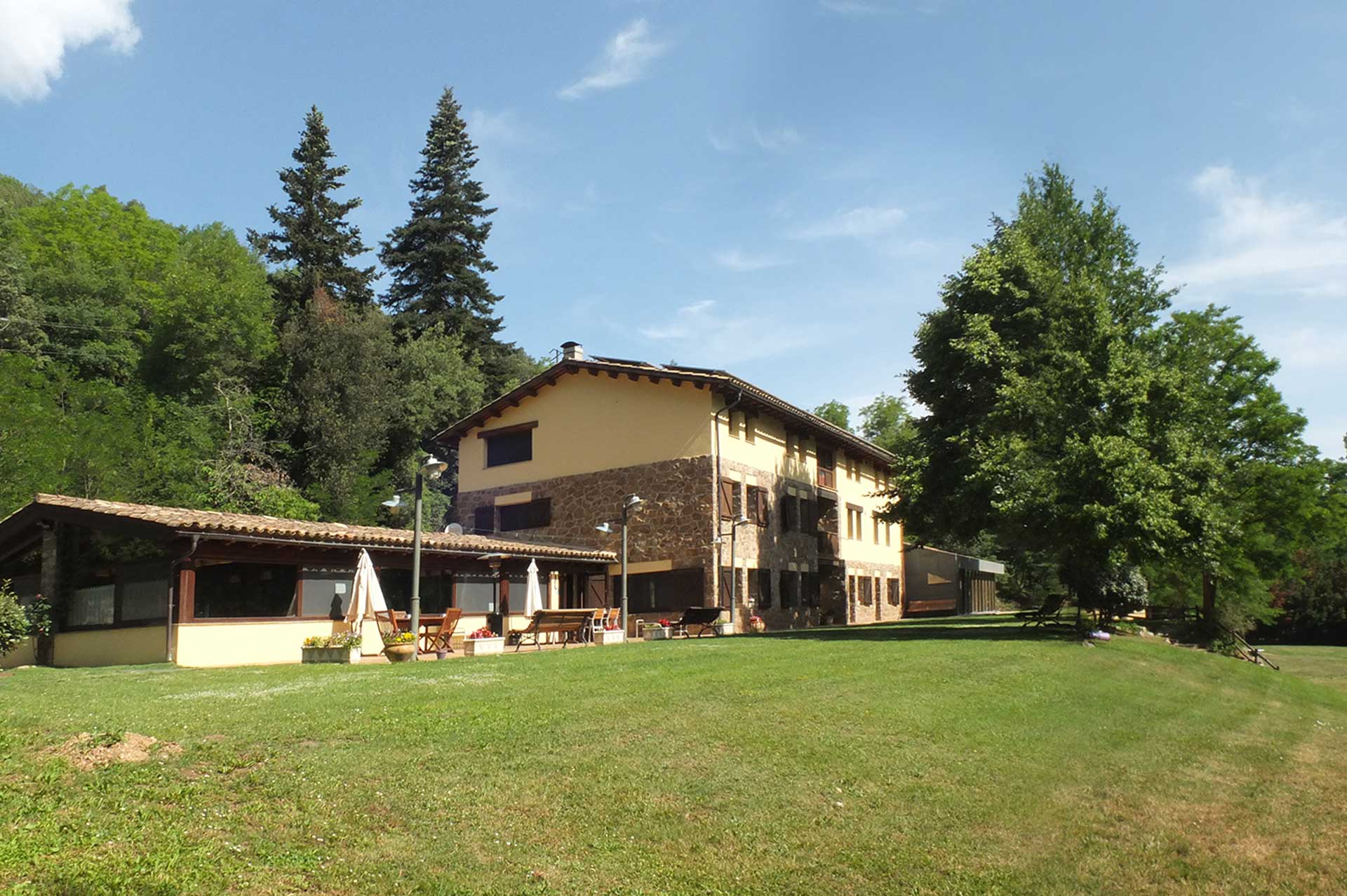
- Admission to a therapeutic centre: the person lives for a time in a protected environment, away from triggers to use, when more containment is needed.
- Specialist programmes: designed for specific needs, such as those of adolescents, families, women or people who need to stabilise to avoid a relapse.
How to choose addiction treatment
It is best not to make this choice alone or on instinct. A professional assessment is recommended, taking into account:
- The substance or behaviour, the amount and how long the use has gone on.
- The risk of withdrawal: alcohol and benzodiazepines should not be stopped abruptly without medical supervision.
- Previous attempts to stop and any relapses.
- Physical and mental health, including a possible dual diagnosis.
- The environment: whether there is family support, or whether there is substance use or a lot of conflict at home.
- Work or study commitments and the person’s motivation.
Outpatient or residential?
As a general guide, outpatient treatment is usually a good option when the environment is stable and the person can stay abstinent with regular support. A residential stay is considered when previous attempts have not worked, when the environment encourages use or when the person’s health needs more care. If use is heavy, supervised detoxification may be needed first.
What complete treatment at FSC looks like
FSC (Fundación Salud y Comunidad) organises its programmes as a network of complementary services with different levels of containment. This means treatment can be tailored to each person and, if their situation changes, they can move quickly to another service so that the process is not interrupted.
Treatment lasts approximately two years from when the person becomes abstinent, and its intensity decreases over time. A standard pathway would be:
- First 6 months: admission to a therapeutic centre or intensive outpatient treatment.
- Next 12 months: weekly outpatient medical and psychological follow-up.
- Final 6 months: occasional follow-up once a month.
This is only a guide: each pathway is adapted to how the person progresses. Below you will find each programme in more detail.
When to ask for help
If you are worried about substance use, whether your own or that of someone close to you, you do not need to know in advance which programme you need: that is what the assessment is for. In Barcelona you can start with the free first appointment or call +34 93 424 04 00. In a medical emergency, call 112, the European emergency number.
Frequently asked questions
How long does addiction treatment last?
It depends on the person and the substance. At FSC, standard treatment lasts approximately two years from the start of abstinence, with intensity decreasing over time.
Is outpatient or residential treatment better?
Neither is better in general. Outpatient treatment suits a stable environment with support; a residential stay is considered when more containment is needed. A professional assessment makes the decision.
Is detoxification enough?
No. Detoxification stops substance use and manages withdrawal, but afterwards you need to work on the reasons behind the use and prevent relapse with ongoing treatment.
Can you change programme during treatment?
Yes. It is common to move from one service to another depending on progress, for example from a residential stay to outpatient follow-up, or the other way round if the situation requires it.