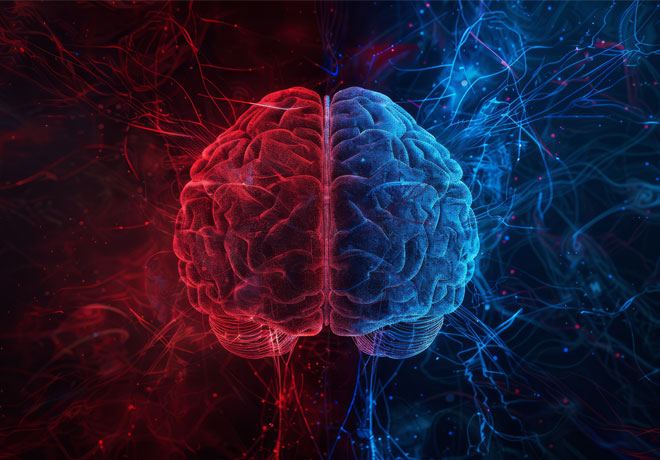
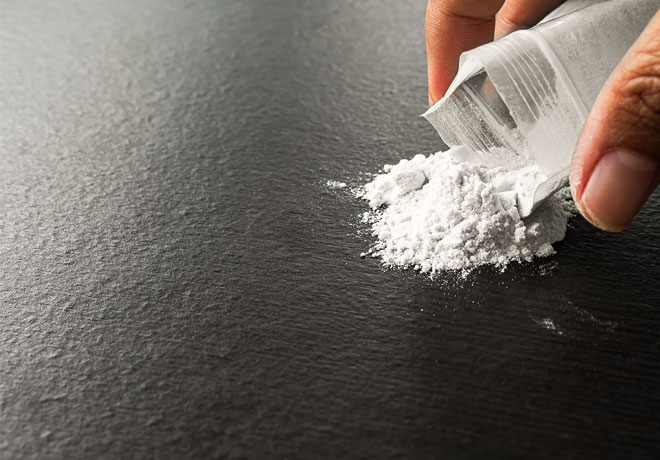
There are many types of drugs, but the most useful classification is based on their effect on the central nervous system: those that slow it down (depressants), those that speed it up (stimulants) and those that alter perception (hallucinogens or perception-altering drugs). On top of these come non-substance addictions, such as gambling. Here is a general overview and, further down, a specific guide to each addiction.
Types of drugs and their effects
A drug is any substance that, once in the body, changes the way the brain works and can lead to dependence. Being legal or available from a pharmacy does not make it harmless: alcohol and some medicines are among the substances that cause the most problems.
Depressants
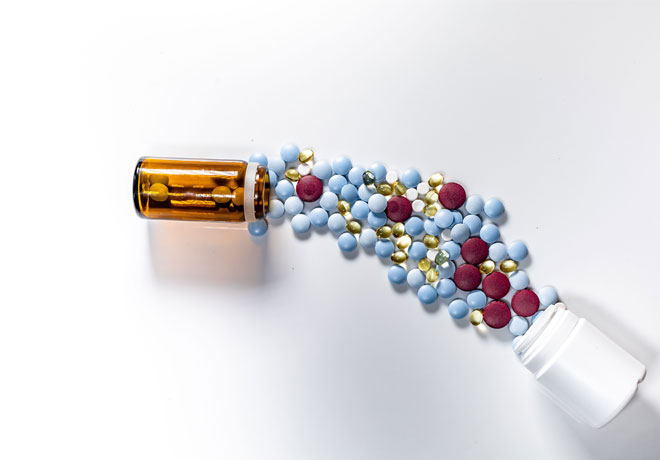
They reduce the activity of the nervous system. At first they relax and lower inhibitions; in larger amounts they cause drowsiness, clumsiness and, in serious cases, dangerously slow breathing, especially when combined with one another. This group includes alcohol, opioids (heroin, morphine and drugs such as fentanyl) and sedative psychotropic medication, such as benzodiazepines. If there is dependence on alcohol or benzodiazepines, they should not be stopped suddenly without medical supervision.
Stimulants
They speed up the nervous system: they increase energy, euphoria and a sense of confidence, and suppress sleep and appetite. Afterwards there is usually a comedown, with tiredness, irritability or low mood. This group includes cocaine, amphetamines and methamphetamine, as well as nicotine. Their main risks include heart and circulation problems, anxiety and sleep disturbances.
Hallucinogens and perception-altering drugs
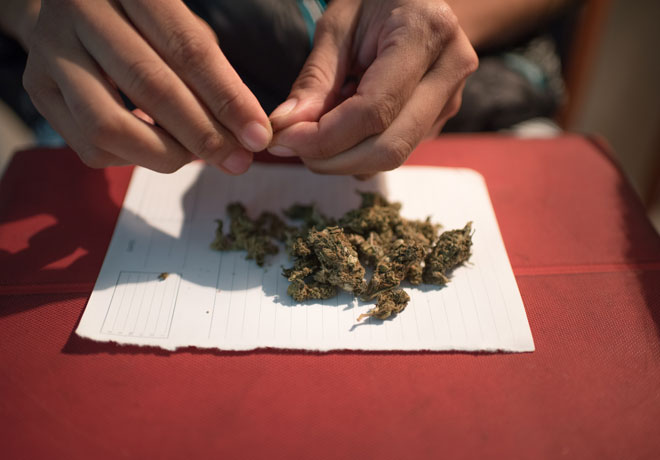
They change perception, thinking and emotions. This group includes LSD, magic mushrooms and ketamine, and in many classifications also cannabis, which also has sedative effects. They can cause intense anxiety, confusion or psychotic episodes, especially in vulnerable people.
Synthetic drugs
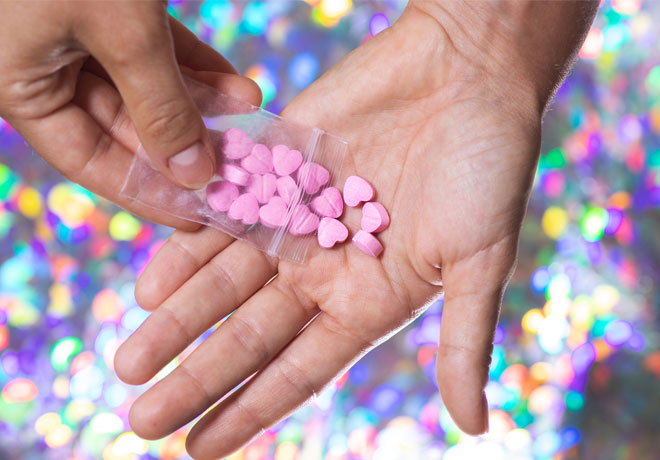
They are made in laboratories, such as MDMA (ecstasy) or the so-called new psychoactive substances. Many combine stimulant and perception-altering effects, and it is hard to know what they really contain, which adds to the risk. We explain this in designer drugs.
Other ways of classifying them
- By legal status: legal (alcohol, tobacco, prescription medicines) and illegal.
- By origin: natural, semi-synthetic (such as heroin, which is made from morphine) and synthetic.
- By pattern of use: experimental, occasional, regular or dependent. The risk depends not only on the substance but also on how, how much and in what context it is used.
Types of addictions
When people talk about types of addictions, or types of drug addiction in everyday language, two broad groups are distinguished:
- Substance addictions: alcohol, cocaine, cannabis, psychotropic medication, opioids and synthetic drugs. Each has its own effects and risks, but they all share loss of control and an intense desire to use.
- Behavioural or non-substance addictions: betting and gambling (in person or online), video games, problematic use of the internet and social media, shopping or sex. What gets people hooked is the behaviour, through a similar brain mechanism. We cover them in behavioural addictions.
Polydrug use and dual diagnosis
It is common to combine several substances, for example alcohol and cocaine, or to use one to counteract the effect of another. Mixing multiplies the risks and complicates treatment. Addiction also frequently goes hand in hand with anxiety, depression or another mental health condition: this is dual diagnosis, which needs a joint approach.
Why are some drugs more addictive than others?
Several things play a part: how quickly the substance reaches the brain, how intense and long-lasting its effect is, the route of use (smoked or injected acts faster), frequency and the age at which use began. Emotional state, personal history and environment also count. That is why two people can use the same thing with very different consequences. If you want to understand the process from the beginning, read what is addiction.
When to ask for help
If a substance or a behaviour starts to take up too much space, if you have tried to stop without success or if you are worried about someone close to you, it is worth seeking advice. You do not need to know what type of addiction it is: that is assessed at the first interview. At Fundación Salud y Comunidad (FSC) we offer a free first appointment in Barcelona; you can call us on +34 93 424 04 00. In the event of poisoning or an emergency, call 112, the European emergency number.
Frequently asked questions
What are the three types of drugs according to their effects?
Depressants, stimulants and hallucinogens (perception-altering drugs). Some substances, such as cannabis or MDMA, combine effects from more than one group.
Are legal drugs less dangerous?
Not necessarily. Alcohol, tobacco and some medicines can create intense dependence and cause serious harm. A substance being legal only tells you how it is regulated, not that it is safe.
What types of non-substance addiction are there?
The most common involve betting and gambling, video games, the internet and social media, shopping and sex. They are treated with approaches similar to those used for substance addictions.
Is mixing drugs more dangerous?
Yes. Combining several depressants, such as alcohol, opioids and benzodiazepines, greatly increases the risk of serious poisoning. Mixing stimulants with alcohol also puts extra strain on the heart.